

Table of Contents
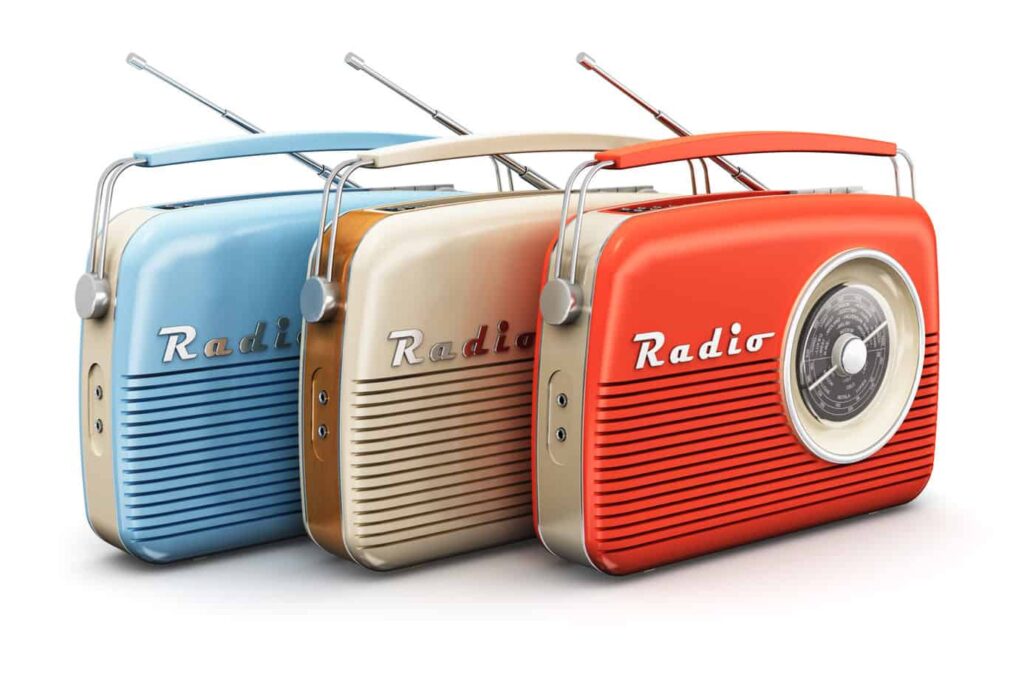
Radio Day
Some radio classics we all know
and like to listen to again
and others we’d rather forget
Just remember …
The power of a voice
Undisturbed by images
Or vision
A media that needs not much…
Let us make sure
To protect diversity
And liberty of speech
Thank you for sharing your favorites!



The Rise of Radio and Its Cultural Impact
The early 20th century marked a pivotal moment in communication history with the advent of radio technology. Initially developed as a means for military and maritime communication, radio soon transformed into a popular broadcasting medium. By the 1920s, radio stations were sprouting up across the globe, bringing a wealth of information and entertainment into the homes of millions and fundamentally altering cultural landscapes.
As radio technology continued to evolve, it enabled real-time broadcasts that captivated audiences. Families often gathered around the radio, creating shared experiences that helped shape the fabric of societal interactions. This phenomenon, known as the “golden age of radio,” saw the emergence of various programs, ranging from news broadcasts to serialized dramas, which transformed how people consumed media. Those tuning in discovered not only news from distant lands but also engaging storytelling that fostered collective imaginations.
Radio’s influence was not limited to entertainment. It played a significant role in shaping public opinion and providing immediate access to current events. From important political speeches to urgent advisories during emergencies, radio acted as a vital information lifeline. This newfound accessibility also fostered a sense of community among listeners who found shared interests and values in the programming they enjoyed.
The impact of radio on daily life extended beyond mere content consumption. It nurtured family bonds as members discussed their favorite shows and artists. Additionally, advertisements became a staple component of radio programming, further blending commerce with entertainment. Advertisers leveraged this growing medium to reach audiences with compelling narratives, creating a synergy that has persisted in various forms of media today.
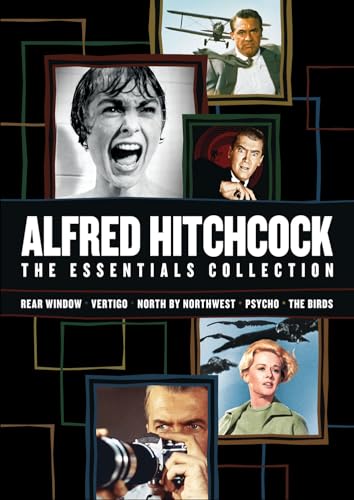
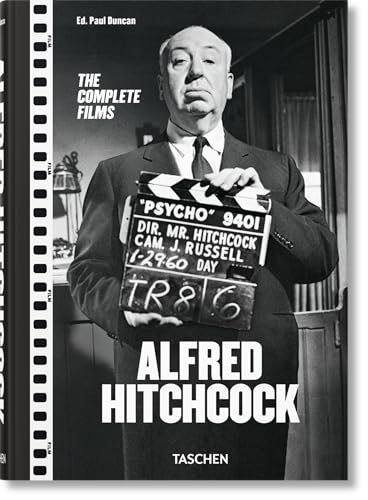
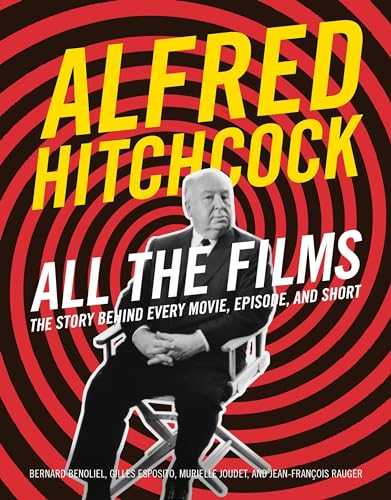
Alfred Hitchcock: Master of Suspense
Alfred Hitchcock, a prominent figure in the realm of suspense and thriller genres, is widely acknowledged for his innovative storytelling techniques, which had profound impacts on both film and radio. Born on August 13, 1899, in London, Hitchcock’s fascination with the macabre began early in his life, setting the stage for a career that would revolutionize visual storytelling. Known as the “Master of Suspense,” his films are characterized by a unique blend of psychological depth, complex narratives, and pioneering technical artistry.
Hitchcock’s influence extended beyond the silver screen and into the auditory realm of radio, where he explored storytelling in a distinct format. His radio work, particularly through series such as “Suspense” and “Alfred Hitchcock Presents,” showcased his ability to weave gripping narratives with an emphasis on sound and atmosphere. On radio, the absence of visuals compelled Hitchcock to focus intensively on dialogue, sound effects, and music to evoke emotions and paint vivid scenes in the listeners’ minds.
Unlike his cinematic projects, which employed elaborate visual effects, Hitchcock’s radio endeavors relied on a more subtle form of storytelling. He often utilized monologues and voice modulation to build suspense, creating an intimate connection with the audience. One notable example was his adaptation of literary classics and short stories for radio, where he breathed life into pre-existing narratives, infusing them with his signature style.
Throughout his career, Hitchcock was known for his meticulous approach to the creative process. Anecdotes from his collaborators often highlight his detailed storyboarding and innovative use of storytelling techniques. This allowed him to consistently captivate audiences, whether in the darkened theaters or through the radio waves. Ultimately, his radio projects not only contributed to the popularity of the medium but also reinforced his legacy as a master storyteller who transcended the boundaries of conventional narrative forms.
The Radio Broadcast that Shook America: ‘The Panic’
The infamous radio broadcast of H.G. Wells’ ‘The War of the Worlds’ aired on October 30, 1938, and quickly became a significant reference point in the history of American broadcasting. Adapted by Orson Welles and presented as a series of news bulletins, this live adaptation created an intense atmosphere of realism that led many listeners to believe they were experiencing an actual alien invasion. The unique format of the broadcast blurred the lines between fiction and reality, which was a pivotal factor contributing to the panic that ensued.
Listeners across the United States reacted with alarm, as many tuned in late and missed the preface that clarified the fictional nature of the program. Reports emerged of individuals fleeing their homes, others calling the police, and some even attempting to arm themselves against an imaginary threat. The hysteria sparked widespread fear and confusion, leading to chaos in several communities. This episode underscored the power of radio as a medium; at the time, it was one of the most trusted sources of information. The consequences of this broadcast were profound, showcasing both the influence of radio on public perception and the deep anxieties the American public harbored in the face of impending war and technological change.
In the aftermath of the incident, media outlets and sociologists scrutinized the implications of the panic. Critiques emerged about the ethical responsibilities of broadcasters in a society that heavily relied on radio for truthful reporting. This broadcast not only exemplified the potential for mass media to incite fear but also highlighted a pivotal moment that raised questions about the trustworthiness of news media in a rapidly evolving technological landscape. The response to ‘The War of the Worlds’ was not merely an isolated incident but a reflection of the societal fears of that era, demonstrating how communication can both inform and misinform, shaping public response in dramatic ways.
Legacy and Lessons from Hitchcock and ‘The Panic’
Alfred Hitchcock, renowned for his mastery of suspense in both film and radio, significantly shaped the landscape of storytelling in media. His innovative approach not only captivated audiences but also left a lasting impact on the way narratives are conveyed. The infamous broadcast of ‘The War of the Worlds’ on October 30, 1938, serves as a case study highlighting this transformative moment in media history. This dramatic radio event, initially presented as a news bulletin, incited public panic based on the authenticity of its delivery. Hitchock’s ability to engage audiences in terrifying scenarios resonates with contemporary media, where the line between fiction and fact often blurs.
The aftermath of the ‘War of the Worlds’ broadcast illuminated crucial lessons regarding audience perception and trust in media. It instigated discussions about the responsibilities of content creators, who must now navigate the nuanced relationship between sensationalism and ethical storytelling. This incident underscored the potential consequences when audiences are ill-equipped to discern between reality and dramatization. Consequently, it sparked a broader awareness of media literacy, leading to initiatives aimed at fostering critical evaluation of information sources.
In today’s context, the legacy of Hitchcock and the ‘Panic’ has become increasingly relevant in combating misinformation. With the proliferation of digital platforms, the challenges that emerged from the 1938 broadcast hold significant implications. Media ethics have evolved, emphasizing transparency, accuracy, and the ethical dissemination of information. As we engage with media today, the lessons from Hitchcock’s era remind us of the power and responsibility associated with storytelling, shaping our contemporary understanding and approach to trust in media communications.
Video
First Radio Broadcast on Christmas Eve 1906
Shop tip
Radios on amazon
What was your first experience with the radio?
Take time to learn
Invest in your future
Embark on a journey into the realm of affiliate marketing and craft your own website within a vibrant, supportive community. Join me in this adventure, where you can begin as a free starter and stay as long as you desire. Enjoy complimentary hosting and foundational teachings to set you on your path. For those with advanced skills, opportunities to elevate your expertise await. Take a moment to explore and witness the magic for yourself!



I remember my first radio, as if it were yesterday…
Undisturbed by advertisements or fake news
It was a pure delight