

Table of Contents
The inner castle way of the soul
The way of the soul
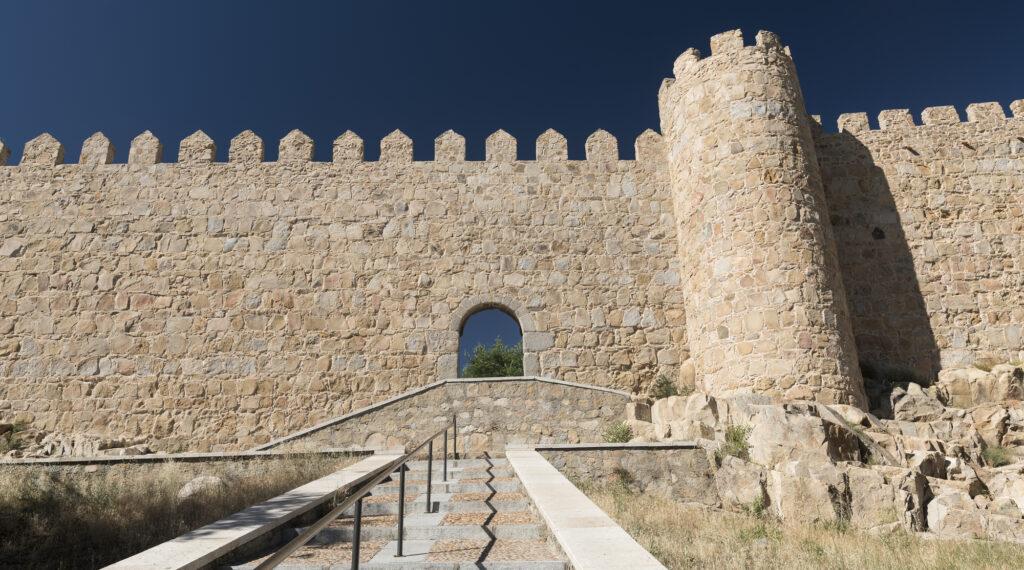
Is like a fortress
An inner castle
The gate by which
You enter it
Is prayer
And prayer will lead you on
From sin to grace
From guilt to mercy
It will strenghten
Your path
And you will
And soon
You will enter
The mansions
Of the castle
Understand
Its widths
And heights
And dephts
The true
Communion
With divine
One heart
One soul
One mind
One spirit
©️Mlaure
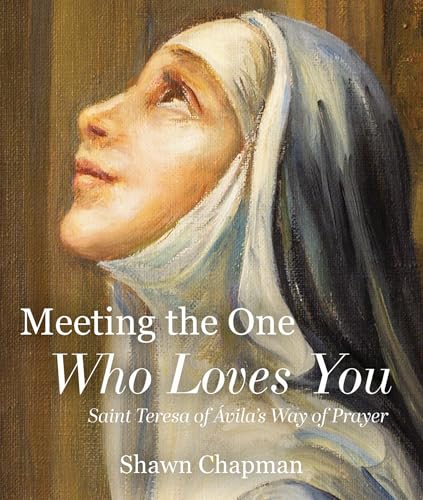
![The Interior Castle or The Mansions (TAN Classics Edition)]](https://m.media-amazon.com/images/I/51v7Uld9L7L.jpg "The Inner Castle Way Of The Soul 3")

Introduction to Teresa of Avila and the Concept of the Inner Castle
Teresa of Avila, born in 1515 in Gotarrendura, Spain, is renowned for her deep influence on Christian mysticism and contemplative prayer. As a Carmelite nun, she dedicated her life to reforming the Carmelite Order and established several convents across Spain. Her significant contributions to spirituality were further immortalized in her writings, particularly in her seminal work, The Interior Castle, where she explores the nine mansions or stages of the soul’s journey toward union with God. This metaphor profoundly illustrates her understanding of spiritual ascent and transformation.
The concept of the ‘Inner Castle’ serves as a compelling representation of the soul’s journey. Each mansion within the castle symbolizes distinct phases in the spiritual life, with each stage requiring varying levels of commitment, understanding, and surrender to God. As individuals navigate through these mansions, they encounter trials and tribulations that act as catalysts for growth and self-discovery. Teresa’s framework allows seekers to recognize their spiritual progress and develop a deeper relationship with the Divine.
Understanding the Inner Castle is crucial not only for spiritual growth but also for personal development. The metaphor encourages practitioners to engage in self-reflection and introspection, prompting them to assess their unique spiritual journeys. By recognizing the significance of the stages laid out by Teresa, individuals can cultivate resilience and faith, ultimately leading to greater peace and fulfillment. The journey through the Inner Castle is indicative of the transformative power of contemplation and prayer, marking a path toward deeper communion with God.
The Structure of the Inner Castle? Understand Its Rooms
In the spiritual classic “The Interior Castle,” Saint Teresa of Avila presents a profound allegory of the soul’s journey toward union with God through a multi-faceted structure, likened to a castle. This metaphor encompasses various rooms or stages that symbolize distinct levels of spiritual development and consciousness. Each room not only represents a progression in the individual’s spiritual life but also illustrates the complexities and challenges faced along this divine journey.
The first room, often referred to as the introductory phase, embodies the initial awakening to the soul’s deeper reality. In this space, individuals typically confront the external distractions and sins that inhibit spiritual growth. Here, the primary challenge is overcoming worldly attachments, symbolizing the start of a more profound inner exploration.
As one advances to the second room, they encounter the necessity of personal transformation. This stage is characterized by deeper self-examination and the practice of prayer. It is within this space that the soul begins to develop virtues, learning to navigate its inner turmoils and becoming more attuned to God’s whispers. The challenges in this room often involve grappling with one’s imperfections and the struggle for authentic change.
The third room introduces the experience of contemplative prayer, where the soul begins to savor the sweetness of divine intimacy. This phase is marked by deeper insights and moments of divine clarity, although it comes with the challenge of remaining consistent in prayer and resisting feelings of desolation that may arise.
As individuals move into the fourth room, a profound transformation begins to take place. This advanced stage signifies a closer communion with God, where the soul becomes more receptive to divine grace. However, the challenge here is to maintain faith amid trials, which often serve to strengthen the connection with God.
Ultimately, Teresa’s depiction of the rooms of the Inner Castle illustrates that spiritual progression is a dynamic journey. Each room represents both growth and the accompanying trials, guiding individuals progressively closer to divine union. This intricate structure serves as a comprehensive tool for understanding the soul’s yearning and the transformative power of faith.
Spiritual Practices for Navigating the Inner Castle
Teresa of Avila emphasizes the significance of spiritual practices as pivotal tools for navigating the Inner Castle, a metaphorical representation of the soul’s journey towards divine union. Central to these practices are prayer, meditation, and reflection, each serving to deepen one’s relationship with God and facilitate personal growth.
Prayer is the foremost practice recommended by Teresa. It encompasses a range of forms, from vocal prayer to contemplative silence. According to her teachings, persistent prayer fosters a continuous dialogue with God, allowing the individual to express sorrows, joys, and aspirations. It is this intimate communication that nurtures trust and fosters spiritual resilience, essential for overcoming internal difficulties encountered along the journey.
Meditation, another cornerstone of Teresa’s guidance, encourages practitioners to engage in focused contemplation. By intentionally turning one’s thoughts to the presence of God, individuals can cultivate a deeper awareness of their spiritual realities. This practice not only aids in confronting inner obstacles but also promotes clarity amid confusion. Meditation offers a respite from life’s distractions, granting the individual the opportunity to explore the profound depths of the soul.
Reflection serves as a companion to both prayer and meditation, providing a structured approach to contemplate experiences and insights gained during these practices. Teresa advocates for regular examination of one’s thoughts and actions, inviting individuals to evaluate their spiritual progress and relationship with God. This self-inquiry fosters a clearer understanding of one’s intentions, helping to identify areas in need of growth.
Through the integration of these spiritual practices—prayer, meditation, and reflection—individuals can enhance their spiritual awareness, enabling them to navigate the complexities of the Inner Castle with confidence and grace. Embracing these methods equips seekers with the tools necessary to confront inner obstacles, fostering a transformative journey toward a more profound connection with the Divine.
The Relevance of the Inner Castle in Modern Spirituality
Teresa of Avila’s profound concept of the Inner Castle offers a deeply insightful framework for understanding one’s spiritual journey, particularly in the context of modern spirituality. In an age characterized by rapid change and emotional turmoil, the pathway outlined by Teresa can serve as a beacon for personal growth, emotional healing, and deeper self-discovery. The architecture of the Inner Castle symbolizes various stages of the soul’s journey, where each chamber reflects levels of consciousness, intimacy with God, and personal insight.
Individuals today could greatly benefit from integrating Teresa’s teachings into their daily lives. The process involves moving beyond superficial engagement with spirituality, fostering instead a commitment to inner exploration. By contemplating the chambers of the Inner Castle, one can identify personal obstacles, confront emotional wounds, and ultimately pave the way for healing. This deeper engagement encourages practitioners to develop a holistic approach to well-being, recognizing the interconnectedness of mind, body, and spirit.
Moreover, modern spirituality often emphasizes mindfulness and self-awareness—tenets echoed through Teresa’s teachings. By practicing meditation and reflection within the context of the Inner Castle, individuals can cultivate an atmosphere for emotional healing. This introspective practice allows for meaningful self-discovery, enabling individuals to confront their inner fears and insecurities with compassion and understanding.
Furthermore, the Inner Castle encourages a commitment to consistent spiritual practice, fostering a sense of community among those seeking to deepen their connection to the divine. Daily rituals, whether through prayer, meditation, or ethical living, serve as gateways to experience the joy and serenity found in the higher chambers of the Inner Castle. In essence, the teachings of Teresa can guide modern seekers toward a more authentic, enriched spiritual life.
Reading
The inner castle or the way of the soul
Thank you for likes, shares and comments

Take time to learn
Invest in your future
Embark on a journey into the realm of affiliate marketing and craft your own website within a vibrant, supportive community. Join me in this adventure, where you can begin as a free starter and stay as long as you desire. Enjoy complimentary hosting and foundational teachings to set you on your path. For those with advanced skills, opportunities to elevate your expertise await. Take a moment to explore and witness the magic for yourself!




Beautiful poem. Really set the tone for my day. Thankyou 🙂
Thank you for telling me Jane…
Have a blessed day