

Table of Contents
Online virtual worlds
Artificial Intelligence (AI)
Print and design in 3 dimensions (3 D)
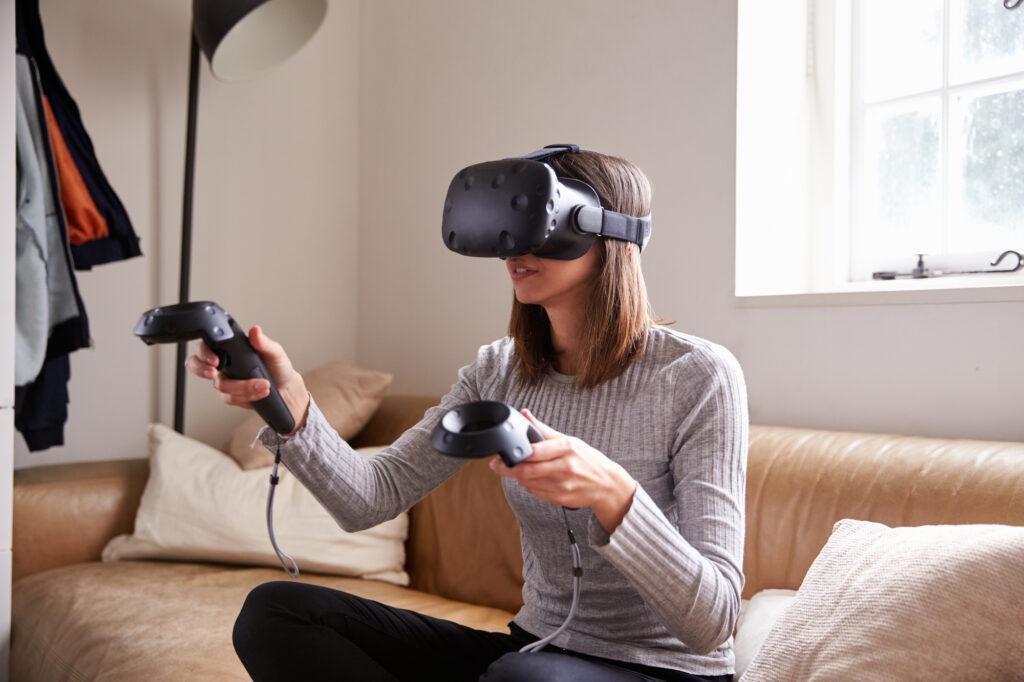
Virtual Reality (VR)
Virtual worlds
become reality
Beyond imagination
The future generation
Will grow up with personal assistants
Perfectly adapted to the body and brain of each
Permanent control
Permanent improvement
Permanent adaptations
Something to be scared about
What will improve creativity?
It is beyond cognition
What will improve inventions?
It is beyond patterns
Will we turn into robots
educated by a virtual world
Far from reality
Or will we improve
Our neural networks
beyond individuality?
A lot of questions remain
most of them ethical
It needs more than a creative brain
To patch virtual gaps
Dissociation is the new horror


The Rise of AI in Print and Design
Artificial Intelligence (AI) has become a transformative force within the realms of print and design, marking a pivotal evolution in how creative processes are approached. As industries increasingly embrace technology-driven solutions, AI technologies have begun to redefine traditional design methodologies, offering designers innovative tools that enhance both creativity and operational efficiency.
Historically, the design field relied heavily on human intuition and manual processes, often leading to time-consuming workflows. However, the emergence of AI has streamlined these processes significantly. By leveraging algorithms that can analyze vast amounts of data, AI-driven applications assist designers in identifying trends, predicting consumer preferences, and optimizing design layouts. This shift not only enhances productivity but also allows human creatives to focus on more strategic aspects of design, such as storytelling and brand identity.
Numerous AI tools have been integrated into the print and design landscape, demonstrating remarkable capabilities. For instance, platforms like Adobe Sensei utilize machine learning to automate repetitive tasks, allowing designers to concentrate on executing their vision. Moreover, AI-based software can generate numerous design variations in a fraction of the time required by traditional methods, thereby fostering a more dynamic creative process.
The impact of AI extends beyond mere efficiency. It actively encourages collaboration within design teams, inspiring professionals to iterate on ideas with the assistance of intelligent systems. As AI continues to evolve, its ability to learn from user input and enhance design strategies will only improve, resulting in a more integrated approach to creativity. Ultimately, the rise of AI in print and design signifies not only the adoption of new technologies but also a reimagining of what is possible within creative endeavors.

Understanding 3D Virtual Reality in Design
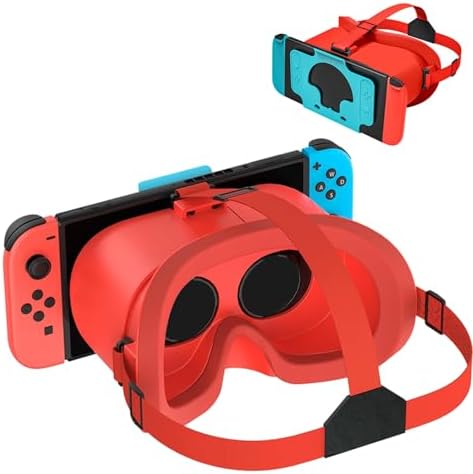
3D virtual reality (VR) represents a transformative advancement in the realms of design and printing, allowing for immersive experiences that alter the way designers interact with their creations. Essentially, VR is a computer-generated environment that simulates physical presence in real or imagined worlds, offering users a chance to explore spaces and objects that they might not normally have access to. This innovative medium integrates seamlessly with various design disciplines, enriching the creative processes and expanding the possibilities for both designers and their audiences.
The integration of VR in design does not only enhance visualization but also provides users with a platform to manipulate and interact with designs in a three-dimensional space. Designers can utilize VR tools to create life-like models and environments, giving clients and users an opportunity to experience the design firsthand. This is particularly critical in fields such as architecture, where prospective buyers can walk through a building before it is constructed, ensuring that the design aligns with their expectations and needs.
Moreover, the applications of 3D virtual reality extend beyond architecture. In fashion design, for instance, VR can facilitate the creation and visualization of garments, allowing designers to view their creations on virtual avatars. Similarly, product design benefits greatly from VR technology, enabling designers to iterate on products and assess functionality in real-time without the need for physical prototypes. The tools and technologies driving this change include sophisticated VR headsets, 3D modeling software, and advanced graphics engines that work together to produce compelling virtual landscapes and objects.
In conclusion, the adoption of 3D virtual reality in design and printing has ushered in a new era for creative professionals, fostering an environment where innovative solutions emerge and collaboration flourishes. As this technology evolves, its influence will undoubtedly expand across various industries, reshaping how design is conceived and experienced.
The Synergy of AI and 3D VR in Print
The convergence of artificial intelligence (AI) and 3D virtual reality (VR) represents a transformative opportunity for the fields of print and design. With the emergence of sophisticated AI algorithms, designers are now able to automate numerous labor-intensive tasks associated with 3D modeling and design, thereby significantly enhancing workflow efficiency. This combination not only streamlines the creative process but also allows for more intricate designs than were previously manageable without substantial effort.
One prominent example of this synergy can be seen in the application of AI-generated designs for virtual environments. For instance, AI can analyze existing design templates and user preferences to produce personalized 3D models tailored to individual tastes. This personalization enhances user engagement in virtual spaces, enabling a more immersive experience. A case study undertaken by a leading design firm demonstrated that integrating AI into their VR workflow reduced the development time of complex models by over 40%, indicating substantial gains in productivity.
Furthermore, the role of AI in generating complex models cannot be understated. Traditional design methods often require extensive manual input, making them time-consuming and susceptible to human error. However, AI’s ability to learn from vast datasets means it can produce highly intricate and innovative designs quickly and accurately. For example, architectural firms are increasingly utilizing AI algorithms to generate 3D models that incorporate advanced engineering principles, a feat that would typically require expert knowledge and extensive manual effort.
Additionally, industries ranging from automotive to fashion are leveraging this synergy to revolutionize their prototyping processes. By creating virtual prototypes via AI-enabled 3D VR, companies can evaluate and refine their designs before committing to costly physical production runs. This innovative approach not only fosters creativity but also leads to significant cost savings, ultimately benefiting both designers and consumers.


The Future of AI, Print, and Design in Virtual Reality
As we forge ahead into an era increasingly shaped by artificial intelligence (AI), the intersection of print, design, and virtual reality (VR) presents a transformative landscape filled with possibilities. Emerging trends in this domain indicate that AI-driven algorithms will continue to enhance design processes, enabling unprecedented levels of customization and interactivity. Designers will leverage AI to create immersive printed designs that seamlessly translate into VR environments, blurring the lines between the digital and physical realms.
However, as these technologies evolve, potential challenges accompany their integration. Questions surrounding data privacy, ownership, and the ethical implications of AI-generated designs must be addressed. For instance, as AI tools aid artists in their creative endeavors, one must ponder the originality of artworks produced under such collaboration. Will the future design landscape see AI as a tool for enhancement or a competitor in creativity?
Moreover, user engagement will likely undergo a profound transformation. In a VR space enhanced by AI, users will be able to interact with printed designs in ways that were previously unimaginable. This engagement could redefine how audiences experience art and design, providing them with opportunities to not just observe but also participate. The potential for fostering a deeper connection between creators and their audiences is immense, as interactive designs could lead to a more dynamic user experience.
Ultimately, the collaboration between AI, print, and design in virtual reality is ripe with possibilities that encourage us to rethink industry standards. As creative professionals, enthusiasts, and technologists engage with these advancements, they will play a crucial role in sculpting the future of design. The evolution of this triad could lead to innovative solutions and creative expressions, making it essential to envision what lies ahead in this exciting technological convergence.
More to read
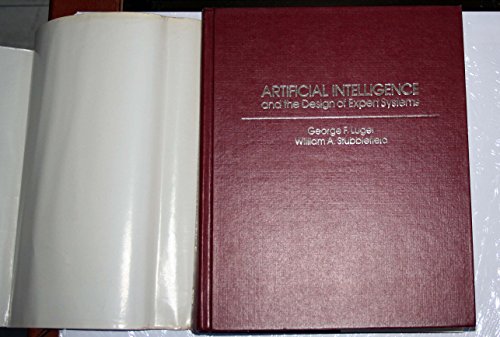
Artificial Intelligence on amazon
Thank you for visiting! Spread the Word…
Take time to learn
Invest in your future
Embark on a journey into the realm of affiliate marketing and craft your own website within a vibrant, supportive community. Join me in this adventure, where you can begin as a free starter and stay as long as you desire. Enjoy complimentary hosting and foundational teachings to set you on your path. For those with advanced skills, opportunities to elevate your expertise await. Take a moment to explore and witness the magic for yourself!


I think personal assistants and virtual worlds, the age of robots performing labor that people used to will improve the world. With each revolution – industrial revolution, tech revolution, etc., our world has only improved and lives have been made easier and more convenient as a result. If anything, they’ll open up new avenues for life. I don’t know what those avenues are and I don’t have the answers. I do know that history is on our side with every tech boom, stemming back to when our stone-age ancestors discovered agriculture. Nothing to be afraid of, but a lot to look forward to.
As long as it does not become big brother…
The existence of the virtual world does at times bring shiver when I think about the depth to which it is all going. The things that’s been innovated and are being brought into the world are just about magical yet it’s just what the human mind can develop and just at times I think this might just be the end of the world. It’s all too good a world to be true. I wonder where we will be in the next 20 years with such technology.
Yes… out of reality indeed…
Seeing youngsters and adults closed up in virtual games is hallucinating
Thank you for sharing!
❤️
I like the freezers poetry you’ve got going on here. It is somewhat scary to think about where technology is going. For years, people have been getting lost in virtual worlds to the detriment of their real lives, families, and jobs. I had a friend who got completely sucked into a virtual game that he dropped out of college and had trouble keeping up afterwards. I know that in raising my own kids, we are trying to limit the amount of connection to the virtual world they have because we don’t want them to become dissociated with reality. It’s tough, but I feel necessary! Thanks for this thought-provoking poem.
Thank you Steve, glad you grasped the message
Shivering indeed…
❤️