
Table of Contents
How They Can Make Us Look Thinner, Fatter, or Distorted
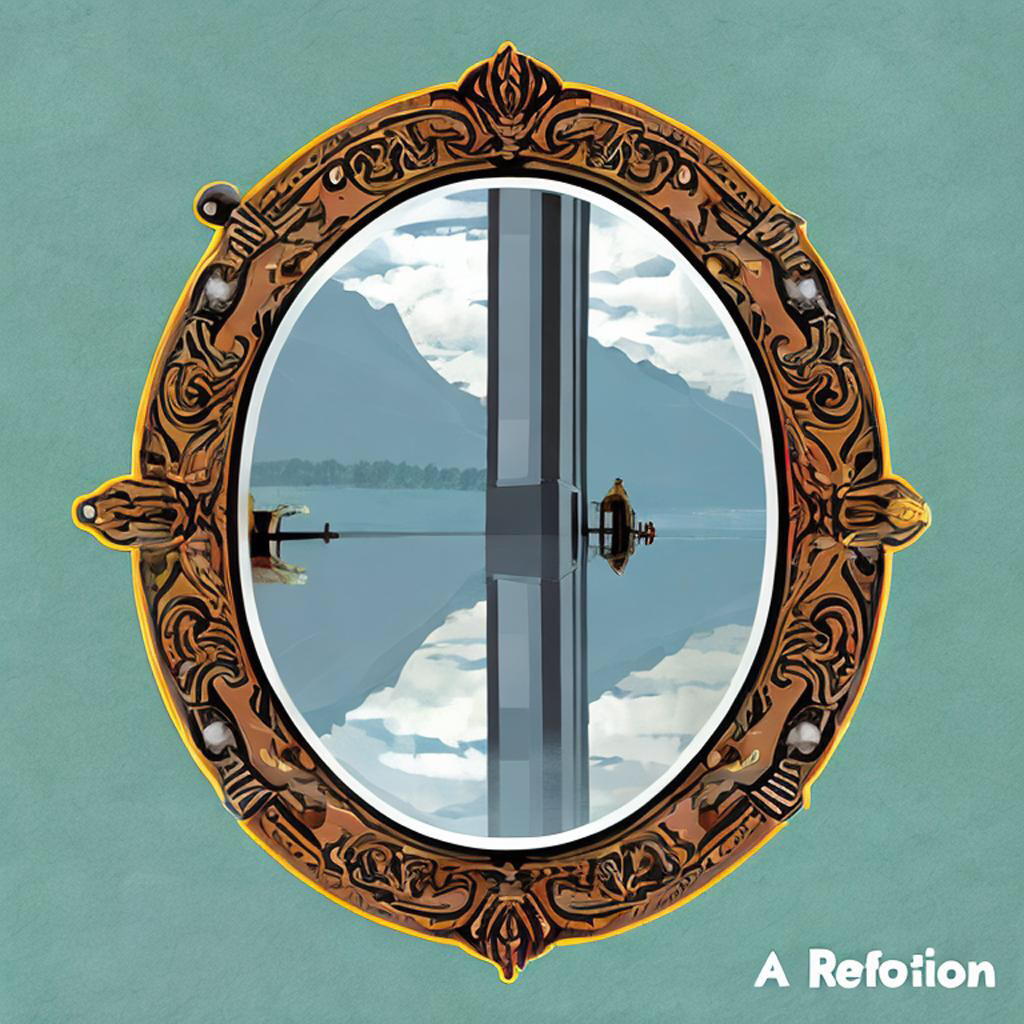
Mirrors can be a great tool for self-reflection and self-improvement, but they can also be misleading. Depending on the angle, lighting, and distortion of the mirror, we can look thinner, fatter, or distorted. This can have an impact on our self-image and confidence, leading us to question what we see in the mirror. For instance, many people might notice discrepancies between their appearance in a dressing room mirror compared to a regular bathroom mirror. This discrepancy can lead to frustration and confusion about one’s own self-image.
Mirrors can be a great tool for self-reflection and self-improvement, but they can also be misleading. Depending on the angle, lighting, and distortion of the mirror, we can look thinner, fatter, or distorted. This can have an impact on our self-image and confidence, leading us to question what we see in the mirror.
Thinner Mirrors
Have you ever noticed that some mirrors can make you look thinner? This is because some mirrors are designed to be “slimming” mirrors, which use a slightly concave shape to create the illusion of a thinner figure. These mirrors play with light and reflection in ways that can be flattering, making them popular in homes and dressing rooms. However, it is essential to understand the psychological impact of using such mirrors. People often become reliant on these slimmer reflections, which can distort their perception of reality and lead to unhealthy body image issues.
While these mirrors may seem like a great idea, they can be misleading and even damaging to our self-image. When we see ourselves in a thinner mirror, we may develop unrealistic expectations and standards for our bodies, leading to body dissatisfaction and even disordered eating habits. It’s critical to have a balanced understanding of our bodies regardless of the image presented by such mirrors. Engaging in activities that promote positive body image, such as yoga or mindful eating, can help counteract the negative effects of these reflections.
Fatter Mirrors
On the other hand, some mirrors can make us look fatter. This can happen when a mirror is placed at a certain angle or in a certain lighting that accentuates the curves and bulges of our bodies. These mirrors may also have a convex shape that can magnify our reflections. This distortion can lead to feelings of insecurity and self-doubt, which may further complicate our relationship with our bodies. Understanding the factors that create these reflections can empower us to view ourselves more compassionately.
While it may be tempting to blame the mirror for making us look fatter, it’s important to remember that our bodies are constantly changing and that there is no “right” or “wrong” way to look. Instead of obsessing over our appearance in the mirror, we should focus on cultivating a healthy relationship with our bodies and learning to love ourselves for who we are. Exploring the concept of body neutrality, where we focus on what our bodies can do rather than how they look, can be a transformative approach to self-image.
Distorted Mirrors
Distorted mirrors are another type of mirror that can make us look distorted or even unrecognizable. These mirrors are often used for funhouse attractions or carnival games, where the goal is to distort the image of the person looking in the mirror. They create exaggerated features that can provoke laughter, but they also serve as a reminder of how easily our self-perception can be altered by something as simple as a reflective surface.
While these mirrors can be entertaining, they can also be jarring and unsettling, as they distort our appearance in a way that is not natural or realistic. In the end, it’s important to remember that the reflection we see in the mirror is just one aspect of our identity, and that our true worth and value lies beyond our appearance. Engaging with distorted mirrors can encourage us to reflect on our values and how we define ourselves, beyond superficial judgments.
Let us recap
Mirrors can be a powerful tool for self-reflection and self-improvement, but they can also be misleading and even damaging to our self-image. By being aware of how mirrors can make us look thinner, fatter, or distorted, we can learn to use them in a way that is both honest and constructive. Ultimately, the reflection we see in the mirror is just one aspect of our identity, and it’s up to us to cultivate a healthy relationship with our bodies and learn to love ourselves for who we are, no matter what the mirror may show.
In conclusion, while mirrors can influence our perception of ourselves, it is ultimately our mindset that shapes our self-worth and confidence. Learning to appreciate ourselves beyond appearances is a fundamental step towards holistic self-love and acceptance.
By embracing our reflections and acknowledging the complexities of how mirrors can distort perception, we can embark on a journey of self-discovery and acceptance. Creating an environment where positive self-talk and reflection are encouraged can significantly impact our mental well-being.
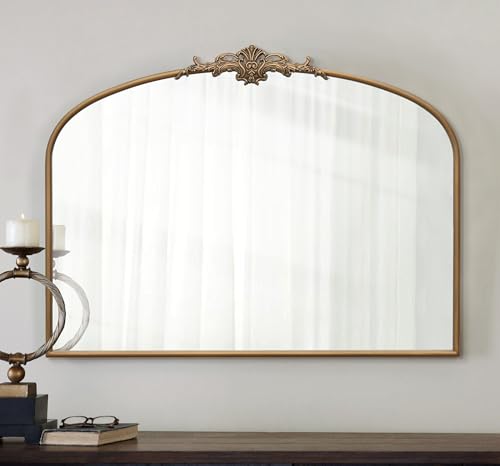
For those interested in exploring mirrors further, consider seeking out a variety of mirror types, from decorative designs to functional mirrors that enhance your space. Understanding how different mirrors serve various purposes—from aiding in makeup application to serving as stylistic elements in home decor—can further enrich your relationship with these reflections.


Video
In addition to understanding mirrors and their effects on our self-image, it’s beneficial to explore resources that explain the psychological impacts of reflections and photography. Videos and articles that delve into this topic can provide further insights and help individuals gain a more balanced view of their appearance. Recognizing the role of lighting, angle, and context in photographs compared to mirrors can foster a healthier self-perception.
Why you look better in the mirror than in pictures
Shop tip
Mirrors on Amazon
Thank you for reading, shares and comments!
✨ Comment Policy ✨
We welcome thoughtful, kind, and constructive comments that contribute to meaningful conversations.
Please note:
- Promotional links and unsolicited offers will be removed.
- Spam, irrelevant content, or self-promotion without prior permission will not be published.
- We value quality engagement over quantity — thank you for helping us keep this a respectful and inspiring space!
Sources openai Language models, aitrot, picsart and mib
Take time to learn
Invest in your future
Embark on a journey into the realm of affiliate marketing and craft your own website within a vibrant, supportive community. Join me in this adventure, where you can begin as a free starter and stay as long as you desire. Enjoy complimentary hosting and foundational teachings to set you on your path. For those with advanced skills, opportunities to elevate your expertise await. Take a moment to explore and witness the magic for yourself!