


Table of Contents
10 most important dangers of electromagnetic fields?
Here are ten potential dangers associated with electromagnetic fields
- Increased risk of cancer: Long-term exposure to high levels of electromagnetic fields may increase the risk of certain cancers, such as leukemia and brain tumors.
- Neuropsychiatric effects: Some studies have linked electromagnetic fields to symptoms such as headache, fatigue, insomnia, and depression.
- Interference with medical devices: Electromagnetic fields can interfere with the functioning of medical devices, such as pacemakers and hearing aids.
- Electromagnetic hypersensitivity: Some people may experience physical symptoms, such as headaches and skin rashes, after exposure to electromagnetic fields.
- Effects on wildlife: Electromagnetic fields may affect the behavior and migration patterns of birds and other wildlife.
- Effects on plants: Electromagnetic fields may impact the growth and health of plants.
- Disruption of communication systems: Electromagnetic fields can interfere with communication systems, such as cell phones and Wi-Fi.
- Effects on the environment: Electromagnetic fields may have negative effects on the environment, such as disrupting the migration patterns of wildlife and reducing the populations of certain species.
- Effects on human health: Long-term exposure to electromagnetic fields may cause damage to DNA and increase the risk of certain health problems, such as heart disease and neurological disorders.
- Interference with electronic devices: Electromagnetic fields can interfere with the functioning of electronic devices, such as televisions and computers
What are Electromagnetic Fields?
Electromagnetic fields (EMFs) are areas of energy that surround electrical devices. They are created by electrically charged particles and can have a range of effects on their environment. The fundamental principles of electromagnetism describe the relationship between electric fields and magnetic fields, where an electric current generates a magnetic field and vice versa. This phenomenon is central to numerous technologies that form the backbone of modern society.
EMFs are typically categorized into two types: natural and man-made. Natural electromagnetic fields are produced by both the Earth and the atmosphere, contributing to phenomena such as the Earth’s magnetic field and solar radiation. These natural sources are generally considered harmless and are an integral part of the Earth’s environment.
In contrast, man-made electromagnetic fields originate from various sources, including power lines, radio towers, and household appliances such as cell phones and microwaves. The characteristics of these fields can vary considerably based on the type of device and its operation frequency. For instance, radiofrequency fields differ from extremely low-frequency fields associated with electrical wiring and power generation. Understanding these distinctions is essential for assessing potential interactions with biological systems.
The implications of EMFs extend across various fields such as technology and health. In technology, EMFs play a crucial role in wireless communications, medical devices, and numerous applications in industry. However, there are ongoing debates regarding their potential health effects. Some studies have suggested links between long-term exposure to certain EMF levels and adverse health outcomes, prompting further research in this complex area. As societies become increasingly reliant on technology, understanding electromagnetic fields—both natural and man-made—becomes ever more critical.
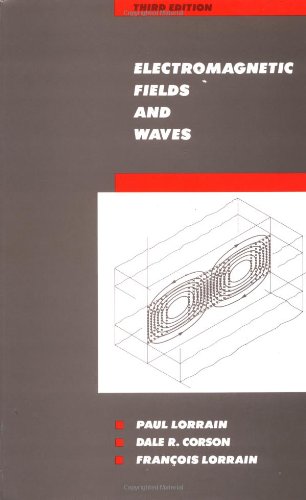
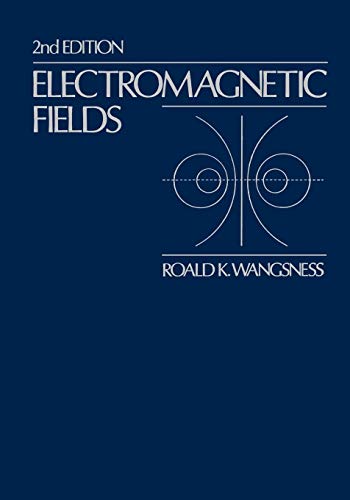
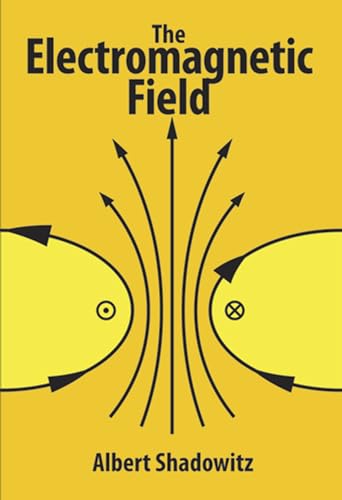
Current Applications of Electromagnetic Fields in Energy Technology
Electromagnetic fields (EMFs) play a crucial role in energy technology, contributing to both traditional and renewable energy systems. In the context of renewable energy sources, EMFs are integral to the operation of solar panels and wind turbines. Solar panels utilize photovoltaic cells that convert sunlight into electrical energy, and the transformation process generates EMFs that enhance energy capture efficiency. By optimizing the alignment and orientation of solar cells with respect to electromagnetic radiation, manufacturers can increase the output efficiency of solar energy systems.
Wind turbines also leverage EMFs; specifically, alternating electromagnetic fields are employed in generators that convert mechanical energy from the wind into electricity. As the turbines rotate, they create dynamic EMFs that facilitate the electrical output, ensuring stable and reliable energy generation. This efficiency is critical as the demand for renewable energy sources continues to rise globally.
In addition to renewable technologies, EMFs are pivotal in traditional energy systems, where they support power generation and distribution infrastructure. High-voltage power lines utilize electromagnetic fields to transmit electricity over long distances, minimizing energy loss. Smart grid technology is an emergent application where EMFs enhance energy management through real-time data collection and monitoring. Smart meters, for instance, utilize EMFs to provide consumers with detailed insights into their energy consumption patterns, promoting energy efficiency and enabling better demand-response strategies.
Several case studies illustrate the practical benefits of EMFs in energy technology. For instance, research indicates that optimizing the configuration of wind farm layouts can significantly increase power output due to improved aerodynamic interactions, which are influenced by EMF behaviors. Furthermore, the adoption of electromagnetic field-based technologies in smart grids has resulted in enhanced reliability and flexibility in energy supply, ultimately facilitating the integration of diverse energy sources.



Potential Future Innovations Driven by Electromagnetic Fields
As the quest for sustainable energy solutions intensifies, electromagnetic fields (EMFs) present exciting opportunities for innovation in various sectors, particularly within the energy landscape. One prominent area of exploration is wireless power transmission, which utilizes EMFs to deliver energy without the need for traditional wiring. This technology could revolutionize how we charge electric vehicles, power smart homes, and extend the range of portable devices. Current advancements demonstrate the possibility of transmitting energy over significant distances and at varying power levels, raising the prospect of widespread adoption in both urban and rural areas.
Additionally, advancements in energy storage solutions are expected to leverage the principles of EMFs. Innovations in materials science and nanotechnology are paving the way for more efficient batteries and storage devices that utilize electromagnetic principles to enhance performance. Research is ongoing into the development of supercapacitors and novel battery chemistries that could significantly increase energy density and reduce charging times while ensuring safety and longevity. Such improvements will be vital as the demand for reliable, clean energy continues to escalate globally.
Moreover, the integration of electromagnetic fields in enhancing energy efficiency cannot be overlooked. Cutting-edge devices and systems utilizing EMFs can help optimize energy use in a variety of applications, from smart grids that dynamically balance loads to appliances that operate on minimal power. The innovations arising from this embrace of EMFs may lead not only to reduced energy consumption but also to improved functionality and user experience in everyday technologies.
In conclusion, the potential for future innovations driven by electromagnetic fields is profound. With continued research and investment, we anticipate groundbreaking technologies that can reshape energy production, distribution, and consumption. These advancements hold the promise of more sustainable and efficient energy systems, paving the way for a greener future.


The Ethical and Environmental Considerations of EMF Use
The increasing reliance on electromagnetic fields (EMFs) in various sectors, particularly in energy production and consumption, raises several ethical and environmental concerns. One primary issue is the potential health risks associated with chronic exposure to EMFs. While scientific research has produced mixed findings regarding the direct health impacts, public anxiety persists about the implications of prolonged exposure to these fields, especially in urban areas with high electromagnetic radiation due to appliances and energy systems.
Additionally, there are substantial environmental impacts to consider. The manufacturing of devices that utilize EMFs, such as smart meters and wireless technologies, often results in the depletion of natural resources and contributes to electronic waste, which poses significant disposal challenges. As these technologies proliferate, the challenge of managing their lifecycle sustainably becomes increasingly complex. Balancing innovation with environmental stewardship is crucial to ensure that energy solutions are not only effective but also environmentally friendly.
Societal implications also warrant careful consideration. The implementation of advanced energy solutions that depend on EMFs may exacerbate existing inequalities. For instances, marginalized communities could be disproportionately exposed to EMFs due to the proximity of power lines or cell towers, leading to potential health risks without equitable access to technological or medical resources. This raises ethical questions regarding the equitable distribution of technology and the need for inclusive regulatory frameworks.
In addressing these issues, regulatory bodies must develop comprehensive guidelines that consider both health and environmental impacts. Public perception plays a crucial role in the acceptance of new technologies, making transparency and community engagement essential in building trust. Achieving a balance between technological advancement and responsible EMF usage is vital to ensuring a sustainable energy future, harmonizing advancements with safety and environmental integrity.
Shop tip
Dangers of EMF on amazon
Thank you for reading, shares and comments!
✨ Comment Policy ✨
We welcome thoughtful, kind, and constructive comments that contribute to meaningful conversations.
Please note:
- Promotional links and unsolicited offers will be removed.
- Spam, irrelevant content, or self-promotion without prior permission will not be published.
- We value quality engagement over quantity — thank you for helping us keep this a respectful and inspiring space!
Sources openai Language models, aitrot, picsart and mib

Take time to learn
Invest in your future
Embark on a journey into the realm of affiliate marketing and craft your own website within a vibrant, supportive community. Join me in this adventure, where you can begin as a free starter and stay as long as you desire. Enjoy complimentary hosting and foundational teachings to set you on your path. For those with advanced skills, opportunities to elevate your expertise await. Take a moment to explore and witness the magic for yourself!